 15 Apr 2026
In a five-star kitchen, there is no pause button. Service moves fast, precision is expected, and consistency defines reputation. A sauce cannot split. A protein cannot be overcooked. A plate cannot leave the pass unless it meets exacting standards.
For aspiring chefs dreaming of a serious
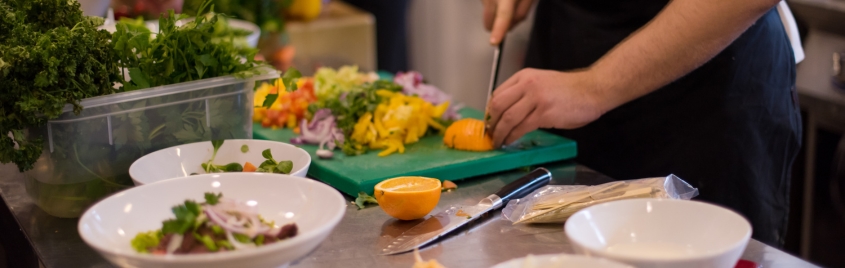
career in culinary arts, theoretical knowledge alone is never enough. Hands-on culinary training is not a bonus feature of professional education — it is the foundation.
At the International Institute of Culinary Arts (IICA), practical immersion forms the core of its culinary arts programs, ensuring students are prepared for the demands of five-star hotels, luxury restaurants, and global hospitality brands.
The Reality of Luxury Kitchens
Luxury dining environments demand:
- Speed under pressure
- Perfect knife skills
- Advanced cooking techniques
- Plating precision
- Team coordination
- Strict hygiene and safety standards
These are muscle-memory skills developed only through repetition in a professional kitchen setting. Reading about sauce emulsification is not the same as fixing one mid-service. Understanding butchery theory is not the same as breaking down cuts efficiently during prep.
This is why structured culinary diploma programs must prioritise hands-on training from day one.
Why Practical Exposure Defines Professional Confidence
In a professional culinary arts course, students must learn to:
- Work with commercial-grade equipment
- Execute recipes within strict timelines
- Adapt to real-time feedback
- Manage mise en place efficiently
- Maintain consistency across multiple servings
Hands-on training develops confidence — and confidence builds competence.
For students exploring
diploma courses for chefs, choosing a program that simulates real kitchen environments is critical. Luxury hospitality brands recruit chefs who are already comfortable with pressure, coordination, and discipline.
IICA’s Industry-Aligned Culinary Programs
As a leading culinary school in Delhi, IICA structures its culinary arts programs around immersive training and global standards.
Diploma in Culinary Arts
Duration: 1 Year
Accreditation: City & Guilds, UK (upon successful completion)
The Diploma in Culinary Arts is a comprehensive culinary diploma course designed to build strong foundations in:
- Classical and contemporary cooking techniques
- International cuisines
- Garde manger and hot kitchen operations
- Baking and pastry fundamentals
- Plating and presentation
- Kitchen management basics
This program emphasises extensive practical sessions where students train in professional kitchen labs, gaining the hands-on exposure essential for a successful career in culinary arts.
As one of IICA’s flagship culinary diploma programs, it combines structured learning with skill development aligned to global hospitality benchmarks.
Culinary & Hospitality Management Program
Duration: 9 Months Training + 3 Months Internship
Accreditation:
- Level 5 Diploma in Hospitality Management from BSI Learning, Australia
- Level 3 Diploma from City & Guilds, UK
This advanced diploma in culinary arts goes beyond cooking techniques. It integrates:
- Advanced culinary skills
- Hospitality operations
- Menu planning and cost control
- Leadership and team management
- Industry internship exposure
The internship component provides invaluable real-world experience in operational environments — reinforcing classroom learning with professional execution.
For students serious about pursuing a leadership-oriented career in culinary arts, this program offers both technical depth and managerial insight.
Why Luxury Dining Demands Advanced Culinary Training
- Five-star hotels and fine-dining restaurants expect chefs who can:
- Execute multi-course tasting menus
- Maintain plating uniformity
- Manage inventory efficiently
- Collaborate within brigade systems
- Uphold international hygiene standards
Such expectations require structured culinary diploma programs that simulate industry environments.
At IICA, students are trained under experienced chef mentors who understand global hospitality demands. Practical sessions replicate service scenarios, enabling students to develop resilience, coordination, and technical consistency.
From Classroom to Professional Kitchen
A true culinary diploma course must bridge education and employment. At IICA, this transition is supported through:
- Industry exposure
- Structured internships
- Global accreditation
- Skill-based assessments
- Emphasis on practical execution
Under the leadership vision of Virender S. Datta, IICA maintains internationally benchmarked standards in its culinary arts programs, ensuring students graduate industry-ready.
Building Five-Star Chefs Through Real Kitchen Experience
In luxury hospitality, excellence is measured in timing, precision, coordination, and consistency. A dish must be flawless not once, but every single service. This level of performance cannot be achieved through theory alone. Hands-on culinary training transforms classroom knowledge into technical skill — and technical skill into professional confidence.
At the International Institute of Culinary Arts (IICA), immersive kitchen practice is at the heart of every culinary diploma course and advanced diploma in culinary arts. From foundational techniques in the diploma in culinary arts to leadership-focused training in the culinary & hospitality management program, students are exposed to real-time cooking environments, industry simulations, and structured internships. These globally aligned culinary diploma programs are designed to prepare aspiring chefs for the operational intensity of five-star hotels and luxury dining establishments.
Guided by the vision of Founder Virender S. Datta, IICA has consistently upheld international benchmarks in culinary education. His commitment to practical excellence, global accreditation, and industry integration ensures that students pursuing diploma courses for chefs or exploring serious culinary arts programs graduate fully prepared for a successful career in culinary arts.
If you are ready to turn your passion into a profession, enroll in IICA’s Diploma in Culinary Arts or Culinary & Hospitality Management Program today and take the first confident step toward a five-star culinary future.
FAQs
1. Why is hands-on training important in a culinary diploma course?
Hands-on training is essential in a culinary diploma course because professional kitchens demand speed, precision, and consistency. Practical exposure helps students develop knife skills, cooking techniques, plating accuracy, and teamwork under pressure. In structured culinary diploma programs like the Diploma in Culinary Arts, students gain real kitchen experience that prepares them for a successful career in culinary arts.
2. Which IICA program is best for students pursuing a career in culinary arts?
At the International Institute of Culinary Arts, students can choose between the Diploma in Culinary Arts and the Culinary & Hospitality Management Program, an advanced diploma in culinary arts pathway. Both culinary arts programs combine hands-on training, global accreditation, and industry exposure, making them ideal diploma courses for chef aspirants aiming for five-star and luxury dining careers.